
Farmers,
Enriching Futures
Since 2017, we’ve helped 500+ farmers shift to chemical-free, profitable, and sustainable farming!
Growing
Tomorrow!
From pickles to hydroponics – see how rural women are leading India’s green revolution.
– 2 Lakh Saplings at a Time
KJKS’ state-of-the-art nursery supports Uttarakhand’s organic farming future.


Enriching Futures
chemical-free, profitable, and sustainable farming!
– 2 Lakh Saplings at a Time
Uttarakhand’s organic farming future.
VISION
Creating a self-reliant, sustainable farming ecosystem where farmers thrive, nature is preserved, and food is pure and chemical-free.
MISSION
Empowering Indian farmers through organic training, direct market linkages, women-led innovation, and sustainable agriculture models.
OUR VALUES
Sustainability, a farmer-first approach, transparency, gender empowerment, collaboration, respect for tradition, and innovation-driven growth.
Our Achievements
KJKS's Milestones of Growth: Charting Our Journey in Transforming Indian Agriculture
Hello World!
Laying the Foundation
• Established a collection center and auditorium for farmers in Kotabagh, creating a hub for knowledge exchange and collective growth..
• Facilitated the empanelment of farmers on e-NAM and e-Mandi platforms in collaboration with the Mandi Board, ensuring better market access and fair pricing.
2017
Learning Journeys
Global & National Learning
• Organized exposure visits for farmers to Switzerland and Jalgaon to learn modern agricultural techniques, bridging the gap between traditional wisdom and cutting-edge innovation.
2018
Global Presence
International Recognition
Proudly represented the Indian NGO sector at the Knowledge Summit in France, showcasing our efforts in sustainable agriculture.
2019
Farmer Reach!
Strengthening Market Linkages
• Assisted organic farmers in marketing their produce through the PMFME Scheme, ensuring a stable and profitable supply chain.
2020
Organic Breakthroughs!
Innovation in Organic Agriculture
• Introduced the BBP Model to efficiently balance the demand and supply of organic produce, optimizing farm output and market readiness.
2021
Clean Cultivation!
Expanding Organic Cultivation
• Collaborated with Himothan and Trishuli to develop organic pockets for pulses in the Kumaon region, fostering regional self-sufficiency.
2022
Smart Cultivation!
Market Expansion & Hydroponics Innovation
• 21 organic products from 50 farmers were successfully placed in PMFME stores across Dehradun and Nainital, boosting farmer incomes.
• Launched a Daily Organic Market in Dehradun (Rajpur Road) with participation from 12 farmers, providing consumers with fresh, chemical-free produce.
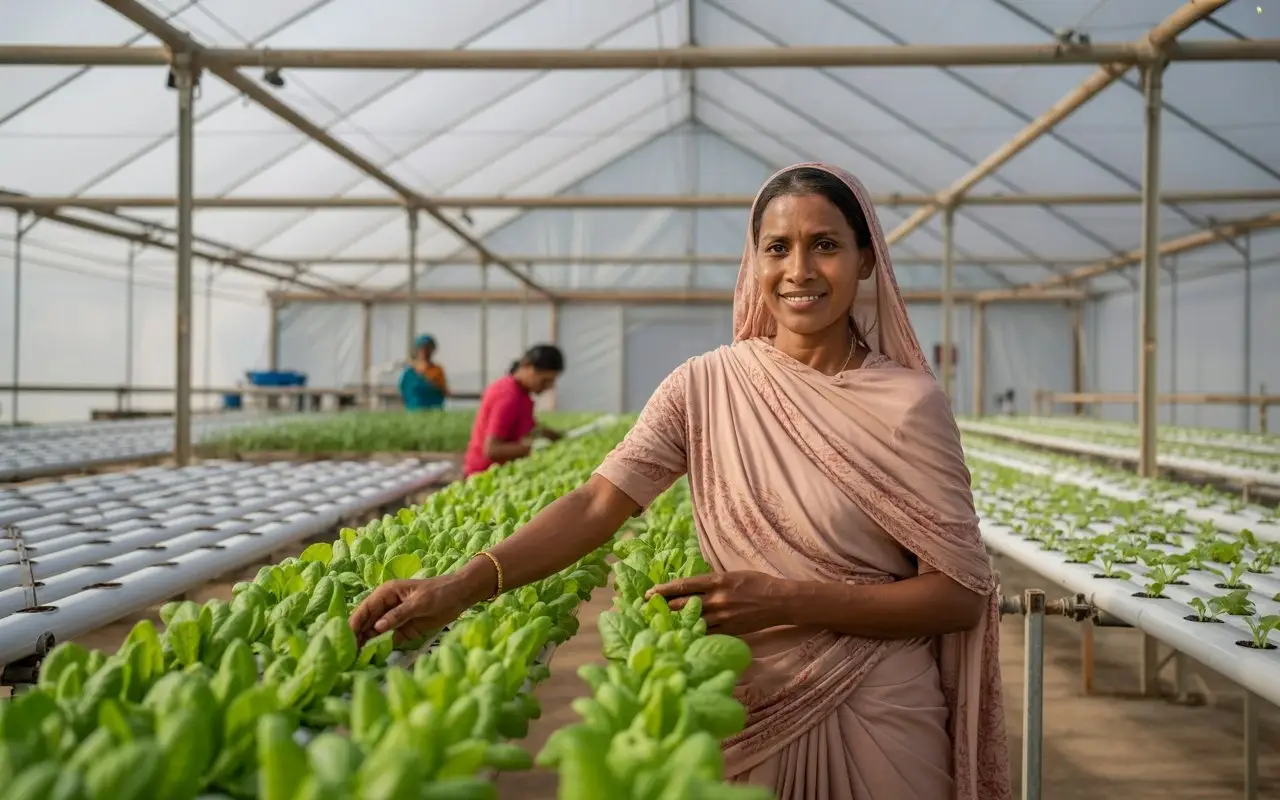
• Developed Uttarakhand’s first hydroponics cluster in Kotabagh, empowering women farmers under Samridh Farms, in partnership with Red Otter Farms and Nainital Pragatisheel Kisan Sahayta Samuh.
• Established the second hydroponics cluster in Haridwar district, expanding the Samridh Farms model in collaboration with Red Otter Farms and Devbhoomi FPO.
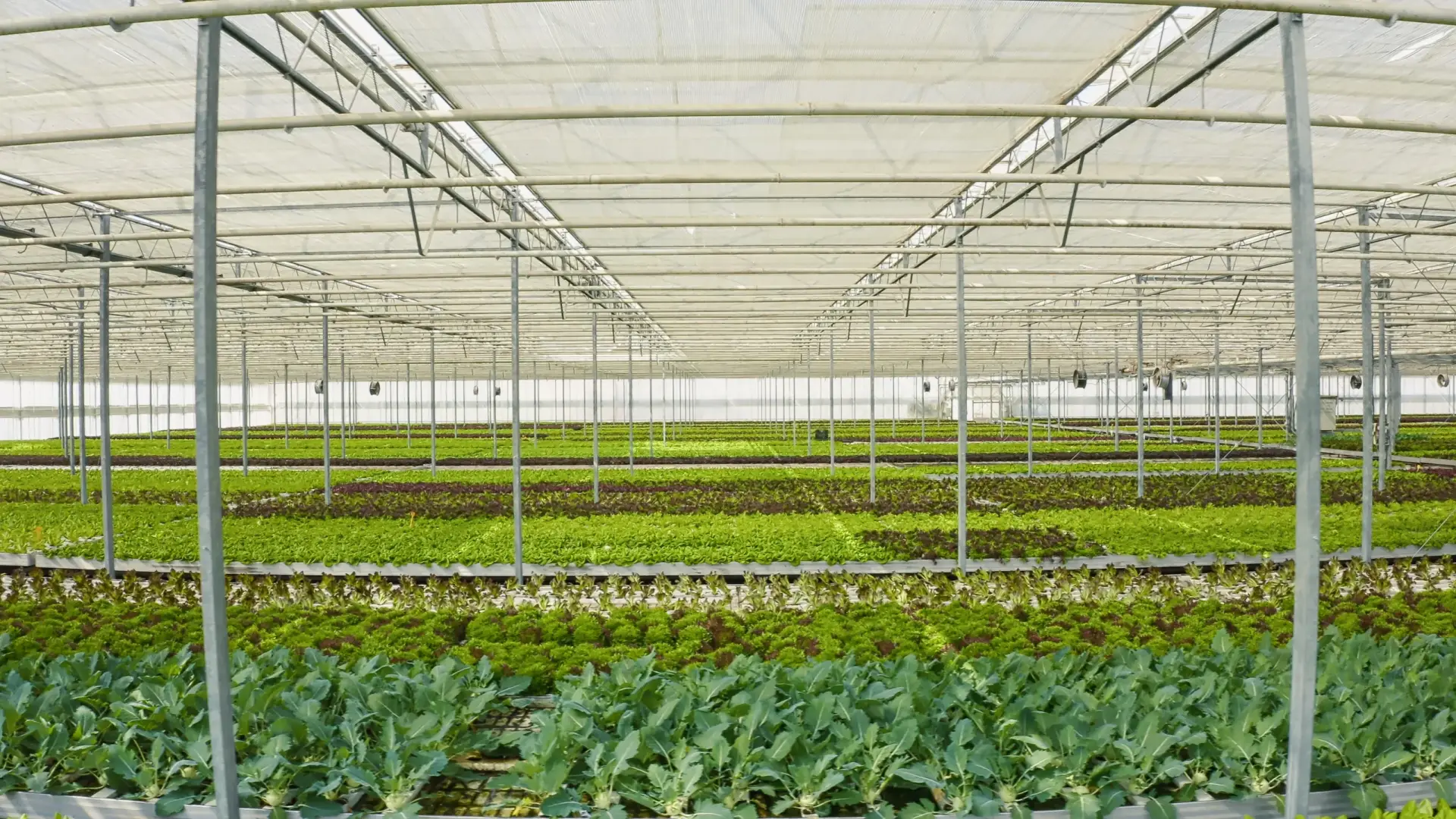
• Developed a state-of-the-art high-tech nursery with a capacity of 2 lakh plants per year, supporting the region’s growing demand for quality organic seedlings.
2023
With each passing year, KJKS* continues to push the boundaries of sustainable agriculture. Our commitment to farmer welfare, organic farming, and innovative solutions is shaping a greener, healthier, and more prosperous Uttarakhand.
KJKS
Meet the People Behind KJKS
A passionate team of visionaries, reformers, and grassroots changemakers driving sustainable farming across India.
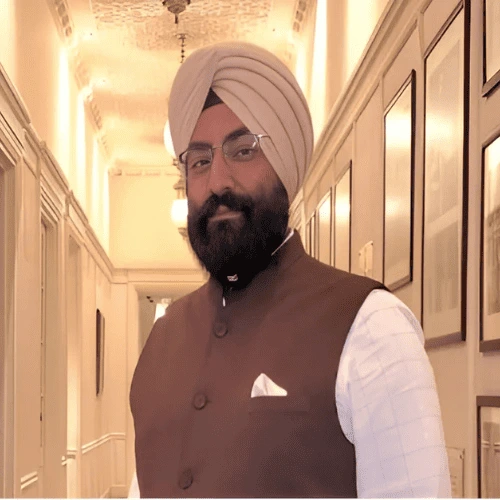
Mr. Harpreet Singh
Founder | Entrepreneur | Social Worker | Agriculture Reformer
Harpreet Singh is the founder of Kaushalya Jan Kalyan Samiti and a passionate advocate of organic, farmer-first solutions. His initiatives, like Apna Family Farmer and Punjabi Haandi, have directly empowered over 500 farmers and connected them to fair markets.
Mr. Harpreet Singh
Founder | Entrepreneur | Social Worker | Agriculture Reformer
Driven by a vision to connect farm produce directly to consumers, he Developed a brand called PUNJABI HAANDI, a hotel and chain of restaurants. which has been successfully operating since 2011. The establishment serves as a bridge between local farmers and end consumers, ensuring fair prices and fresh produce.
In his pursuit of global agricultural knowledge, Harpreet visited Brisbane. Australia in 2013 and 2017 to learn advanced farming techniques in protected cultivation, gaining hands-on exposure in the suburbs of Queensland.
In 2017, Harpreet founded Kaushalya Jan Kalyan Samiti, a non-profit. organization on the name of his grandmother, guided by strong ethical principles. The NGO operates with a self-reliant approach. The organization trains farmers in value addition of niche produce like organic gluten-dropped flour, white kidney beans, wild forest honey, bee pollen, mountain salt and native millets.
Under his leadership, Kaushalya Jan Kalyan Samiti became the first NGO in Uttarakhand to register 377 farmers under the Government of India’s e-NAM Mandi platform in 2018.
In 2019, Harpreet was invited by the Business Commissioner of France to Lyon for a 7-day Agricultural Knowledge Exchange Programme. Representing the Indian NGO sector, he engaged with French farmers and institutions, studying their innovative Buy Before Production (BBP) model. Inspired by this concept, Harpreet launched Apna Family Farmer Membership in India during the COVID-19 lockdown. This initiative allows consumers to connect with farmers directly, place seasonal produce orders in advance, and even visit farms five times a year—building transparency, trust, and a deep connection between producers and consumers.
In recognition of his unwavering dedication to rural upliftment and sustainable agriculture, Harpreet Singh was honored by the Hon’ble Governor of Uttarakhand in 2023 for transforming the lives of over 500 farmers through protected and diversified farming techniques. Under his leadership, the NGO has successfully developed multiple organic farming pockets, bridging the gap between traditional farming wisdom and modern sustainable techniques.
With a strong belief in chemical-free, regenerative agriculture, Harpreet Singh continues to work tirelessly to create a self-sustaining ecosystem for farmers, ensuring better livelihoods, healthier food, and a greener future for Uttarakhand and beyond. And his journey continues to inspire young entrepreneurs, social activists, and farming communities alike-proving that with vision, values, and dedication, one person can ignite meaningful change.
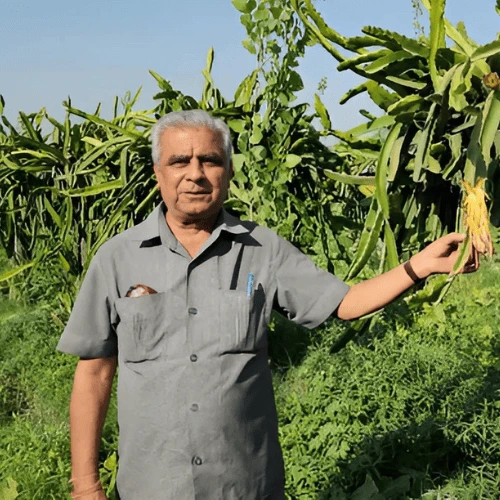
General secretary Dr. Shant Lal Arora
Visionary Horticulturist and Research Mentor
Dr. Shant Lal, General Secretary of KJKS, is a veteran horticulturist and researcher with 40+ years in agricultural science. He has developed breakthrough fruit varieties and continues to guide sustainable farming initiatives with deep academic and field expertise.
General secretary Dr. Shant Lal Arora
Visionary Horticulturist and Research Mentor
A specialist in Horticulture (M.Sc. Ag. & amp, Ph.D.), Dr. Shant Lal has guided 8 postgraduate scholars and supervised 13 doctoral researchers, leaving an indelible mark on the academic landscape. Under the mentorship of eminent scientists like Dr. Ganesh Kumar and Dr. J.P. Tiwari, he honed his expertise, which later translated into groundbreaking work in fruit crop innovation.
His pioneering research led to the development of new fruit varieties—Pant Prabhat (guava) and Pant Garima & amp; Pant Mahima (jackfruit)—which significantly improved productivity and cropping patterns. His special contribution in enhancing winter guava production through innovative Technology has been widely recognized.
With over 45 national and 40 international research publications, five directed research projects, and co-authorship of three educational books, Dr. Shant Lal’s contributions have earned him accolades, including the prestigious Silver Medal in Crop Production through New Technology (1974–75) and a special honor from the Vice Chancellor in 2004.
Today, Dr. Shant Lal is a general secretary in Kaushalya Jan Kalyan Samiti (KJKS) continues to inspire the next generation through his association with progressive agricultural initiatives, embodying a lifelong dedication to the service of farmers, students, and sustainable farming.
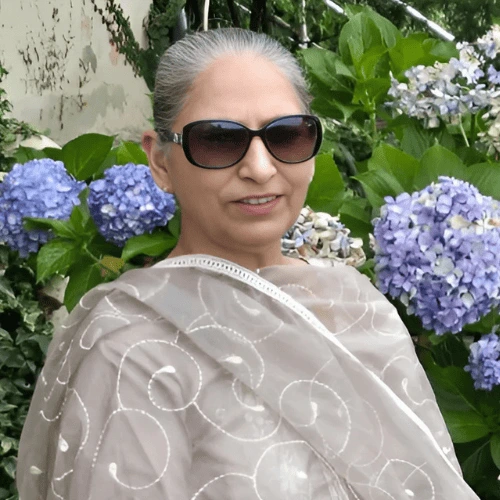
Kuldeep Kaur
Vice President of KJKS
Kuldeep Kaur, Vice President of KJKS, empowers rural women through self-help groups by promoting skills like pickle making and handcrafts. Her efforts have boosted local traditions and created sustainable income opportunities for women farmers.
Kuldeep Kaur
Vice President of KJKS
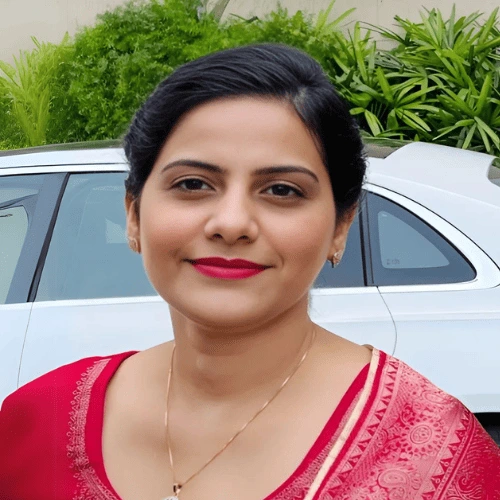
Aarti Kaur
Auditor of KJKS
Aarti Kaur, auditor at KJKS, brings expertise in finance and marketing to support the NGO’s operations. She helps women farmers enhance their market reach, ensuring the sustainability and growth of KJKS initiatives.
Aarti Kaur
Auditor of KJKS